
The Work of Art in the Age of Mechanical Repost-duction
In an era of atrophied attention, when people seem to believe that aura is a mere online meme, art museums find themselves needing to reinvent their marketing game. Gone are days when cultural institutions could rely on prestige alone to draw crowds. Today, museums are connecting with new audiences in new ways – modernizing their digital presence and offering free online resources like image databases, virtual tours, and online courses to drive traffic. They are also entering the stream of social media as users and creators themselves. With the rich resources of their own collections, they are expanding their role as cultural custodians while bridging the gap between reverence and relevance.
Why Art Museums Are Evolving
Art museums wrestle with a very 21st-century paradox: how do you make gallery walls compete with phone screens for the attention of digital natives and the chronically online? One answer is a digital marketing strategy that entertains and illuminates. As younger audiences increasingly encounter culture old and new through screens, institutions are wise to meet them where they are—online and engaged.
The transformation isn’t just about survival, though, it’s about evolving and thriving. Museums that embrace innovative digital marketing are discovering unprecedented opportunities to democratize art and expand their reach. Treating art as a shared commons accessible to all, regardless of location or means, helps ensure the longer-term flourishing of arts institutions. Plus, free online resources have been shown to drum up interest in physical visits to the collections. One study conducted in the UK found that an average of 60% of users were interested in visiting the gallery or museum after engaging with an institution’s free digital offerings.
Social Media: Ancient Art Meets Modern Virality
Historical Virality
Artwork has always been going ‘viral,’ long before the latest developments in art museum digital marketing strategies.
In 350 B.C. the Greek sculptor Praxiteles’ unveiled his nude Aphrodite statue and it caused a wild sensation. The first life-sized nude female sculpture in Greek art, it made the city of Knidos famous and wealthy from pilgrims and tourists who sailed from across the ancient world to see it.
When Italian painter Giotto completed his revolutionary frescoes in Padua in 1301, word spread like wildfire through Italy about the paintings in which the figures look alive. People travelled hundreds of miles to see the artwork, and wealthy patrons from across Europe came to Padua to commission Giotto. The poet Dante mentioned Giotto’s fame in The Divine Comedy, written while the artist was still living (basically, the most authoritative backlink possible).
When Emanuel Leutze’s massive “Washington Crossing the Delaware” painting was first displayed in New York in 1851, people lined up for blocks and waited hours to pay to see it. In an era before mass reproduction, Americans flocked to see the patriotic masterpiece–it is estimated that over 50,000 people viewed it that year.
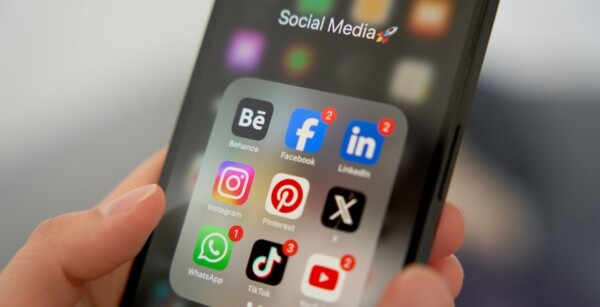
Nowadays, art goes viral on the apps, of course. Luckily, for some museums, that can drive foot traffic of pilgrims and patrons just like in the past. Which is why social media has become such an important part of art museum digital marketing strategy.
TikTok Titian: Museums Take to TikTok
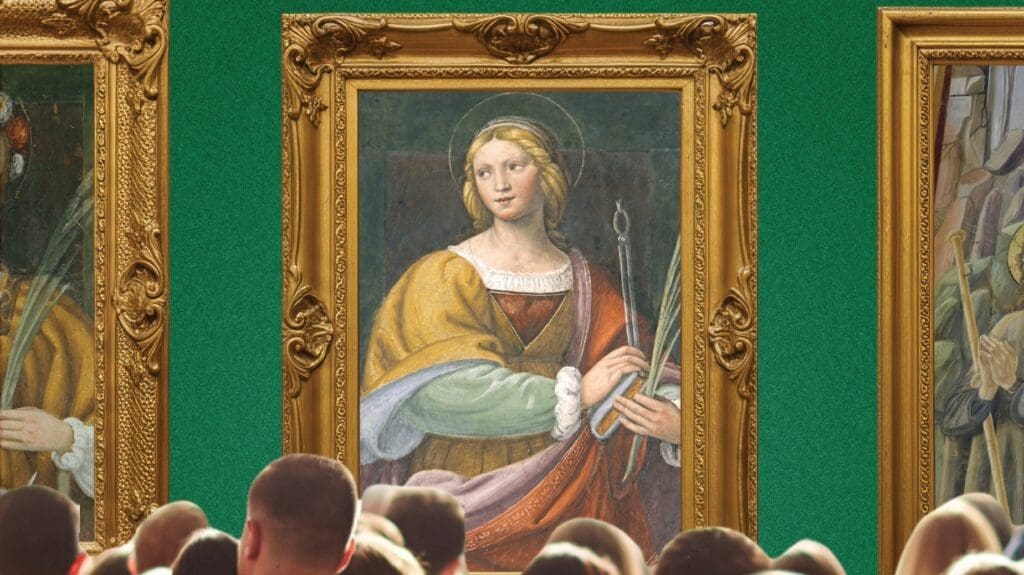
When the Uffizi Gallery in Florence first popped up on TikTok, with the bio line “The Renaissance. Now.” skeptics wondered how the platform known for dance challenges could possibly serve Renaissance art. But soon the Uffizi’s account exploded in popularity by giving classical artworks contemporary voices, creating comedic skits where Renaissance paintings comment on modern life, or clips of pop songs with close-ups on artworks to humorously illustrate the lyrics. Their videos regularly garner tens of thousands or even hundreds of thousands of views, showing that museum social media doesn’t have to be stuffy to be successful.
The social media team at the Uffizi understood that light-hearted engagement can be a first step in approaching what could otherwise be uninteresting or intimidating. Some museums push educational content, which can also be effective, depending on your target audience. But the Uffizi realized that a viewer’s attention can be captured first through humor, surprise, or creativity, then a deeper, more enriching and educational engagement can follow. Museums worldwide are taking note, creating content that makes followers laugh first and learn second.
Instagram: Changing the Frame
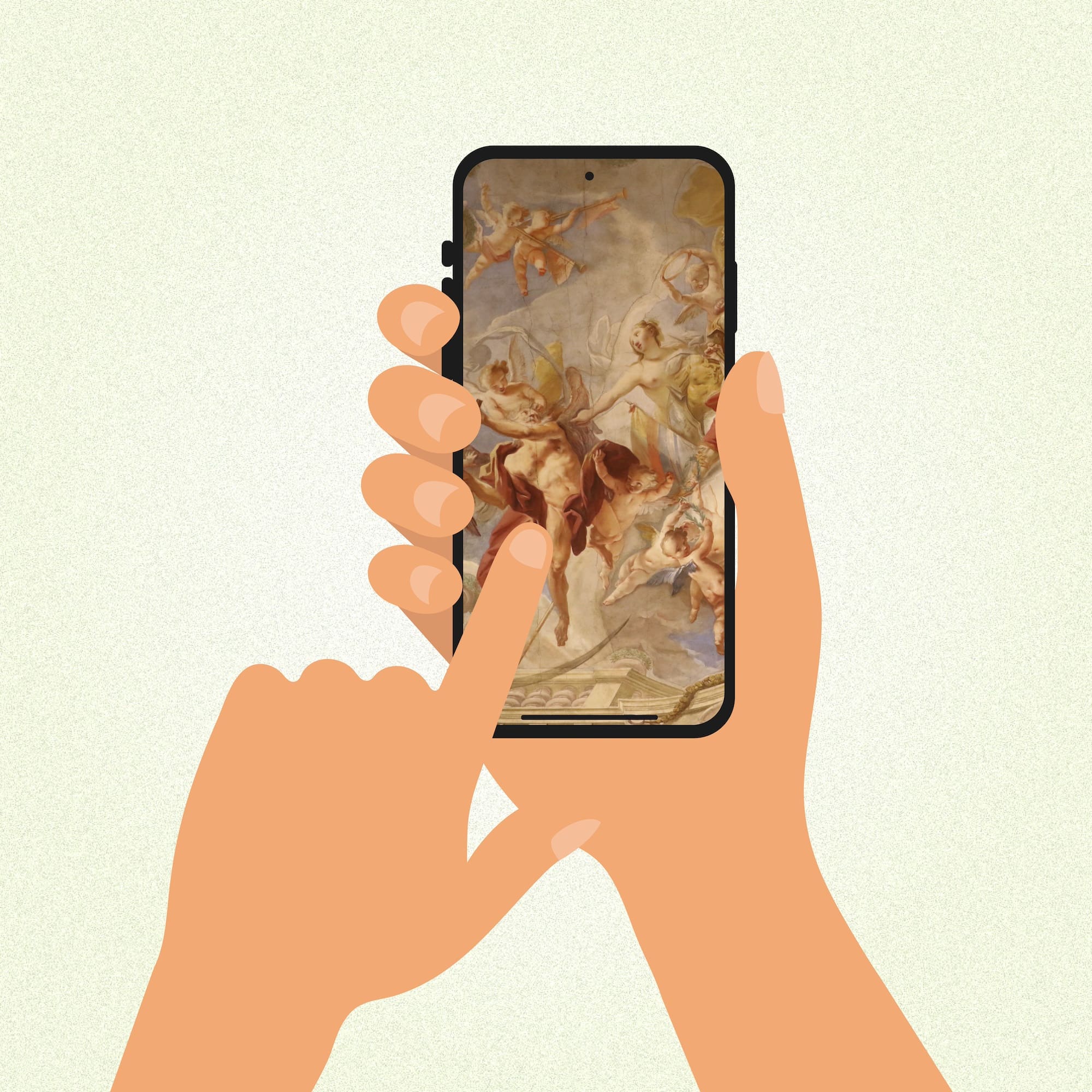
For visual institutions, Instagram remains the crown jewel of museum marketing. But success requires more than posting collection highlights. The Instagram accounts that truly resonate weave stories through their collections, blend behind-the-scenes glimpses with curated content, and also create physical spaces in their museums that beg to be photographed and shared.
Consider how smaller institutions like the New Orleans Museum of Art (NOMA) use Instagram reels and stories to create intimate tours, show behind-the-scenes exhibit installations, and spotlight local artists. These glimpses behind the curtain transform passive followers into invested community members who feel personally connected to the institution’s mission. More on NOMA later.
Free Resources: Democratizing Cultural Access
Against Scarcity Towards Abundance
The most powerful museum marketing strategy might be generosity. Institutions everywhere are discovering that giving away content through online databases and other such resources creates more value than gatekeeping. Free downloadable high-resolution images, educational resources, virtual workshops, and online collections access transform museums from simple destinations into stewards of a shared cultural commons.
This approach recognizes a fundamental truth: in the digital age, access transforms audiences into collaborators in creating cultural meaning and value.
Free Online Image Databases
Museums are increasingly embracing open access models, releasing millions of high-resolution images into the public domain as a way to extend their educational mission beyond physical walls, and also to drive traffic to their site.
The Metropolitan Museum of Art’s Open Access program, which provides free use of 400,000 high-resolution images, has generated invaluable goodwill and countless creative projects that ultimately drive interest back to the museum.
Cleveland Museum of Art provides their entire collection under Creative Commons Zero (CC0) designation, enabling unrestricted use for everything from art making to data science
Two Case Studies: Digital Marketing Excellence in New Orleans
NOMA’s Digital Strategy
NOMA’s Instagram presence is a masterclass in community engagement and storytelling. Their behind-the-scenes reels bring followers into conservation labs, artist studios, and curatorial discussions, demystifying museum work to build trust and transparency.
By regularly featuring New Orleans artists, musicians, and cultural practitioners, NOMA creates content that resonates with locals while offering authentic glimpses into the city’s creative ecosystem. During Mardi Gras, for example, their social media highlights how carnival traditions intersect with fine art – deepening the understanding of the cultural rituals fundamental to the city’s legendary party. New Orleans tourists, most of whom come for the culture as much as the party, might encounter such videos for education, then will surely add NOMA to their list of must-sees during visits.
Ogden Wins with Digital Fundamentals
The Ogden Museum of Southern Art in New Orleans demonstrates how smaller museums can use fundamental digital marketing tactics like strong SEO to improve their reach. Without the marketing budgets of major museums, the Ogden focused on simple digital strategies that deliver significant results. Through strategic SEO implementation, they achieved first-page Google rankings for “New Orleans Art Museum,” moving up from the second page—a move that dramatically increased their visibility. Especially in a city with such a strong tourist economy like New Orleans, this makes a real impact.
Their example proves that digital marketing success doesn’t necessarily require complex campaigns. Optimizations like improving metadata, increasing page-load speeds, and structuring content for search engines help smaller institutions reach audiences who might not discover them otherwise. By understanding how search engines work, regional museums can ensure their unique collections and perspectives reach the audiences who will appreciate what they offer.
Advancing Awareness Through Smart Art Marketing
The digital transformation of museums represents not a departure from their core mission, but an evolution of how that mission gets fulfilled. From the ancient crowds gathering to glimpse Praxiteles’ Aphrodite to today’s teens discovering Titian on TikTok, the fundamental human desire to experience transformative art remains.
A successful art museum digital marketing strategy creates multiple entry points for engagement. Whether someone stumbles upon a local museum through search results, explores collections via free online access, or becomes fascinated with the artistic processes through artist features on Instagram, each digital touchpoint is an opportunity to spark curiosity and foster connection. As Jane Alexander, Chief Digital Information Officer at the Cleveland Museum of Art, said, “The best use of digital is to not make you aware of the technology, but to make you aware of the art.”
For art museums willing to experiment, learn, and evolve, the digital landscape offers unprecedented opportunities. The institutions thriving today are those that embrace new expressions of their values, that preserve history while participating in contemporary culture, and that understand that accessibility and excellence are complementary goals. As we’ve seen, successful digital marketing for museums isn’t about massive budgets or identity overhaul. Through a strong digital marketing strategy, every museum—regardless of size, budget, or location—has the opportunity to create meaningful connections, while driving foot traffic, interest, and engagement.