
Why Is Brand Authenticity Important? Social Media Opportunities Brands Are Still Missing
Authentic brands earn loyalty by connecting with people, not just posting content.
Think about the last brand you followed on social media. Odds are, it wasn’t because they posted daily or had perfectly designed graphics. It was because their content felt genuine, maybe they showed the people behind the business, responded to their audience, or shared something that made you stop scrolling.
Brand authenticity turns a passive follower into an advocate. It builds trust, and trust is what keeps someone buying from you long after the first sale. Brands that share the story behind their products, keep their values consistent, and hold real two-way conversations move past one-time transactions and turn customers into community members. According to Edelman’s 2025 Trust Barometer, 73% of people say their trust in a brand increases when it authentically reflects today’s culture.
The strongest social media strategies build community, not just audience, and leave room for real people and unplanned moments.
Keep the Conversation Going
Posting content is important, but what happens after you hit publish matters just as much.
A lot of brands spend hours planning, filming, editing, and scheduling posts, then move straight to the next one, while people leaving comments or reacting to Stories don’t always get much attention. Over time, that can make social media feel more like a billboard than a conversation.
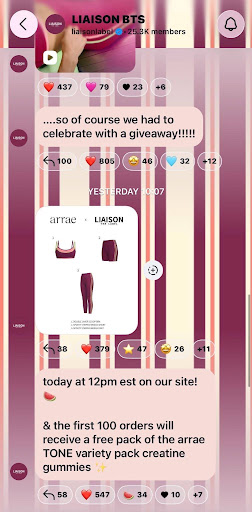
Liaison the Label does a great job of keeping the conversation going. Through its Instagram Broadcast Channel, the brand gives followers early access to launches, celebrates milestones with giveaways, and responds to messages and reactions regularly, showing followers there’s someone on the other side of the screen.
None of this is complicated, but together it makes followers feel like part of the brand instead of just another customer. If you handle social media yourself, building in time to reply is a simple place to start.

Leave Room to Be Spontaneous
Content calendars are helpful, but they shouldn’t dictate every post.
Some of the best-performing content isn’t planned weeks in advance. When something funny or unexpected happens online, brands that respond quickly can join the conversation in a way that feels natural.
Graza does this well. During the NBA Finals, the brand shared a custom “Chala Mayo” bottle inspired by Timothée Chalamet. Instead of jumping on a trend just because everyone else was talking about it, Graza found a way to make the moment fit its own personality. It was timely, recognizable, and still felt like something only Graza would post.
That doesn’t mean every trend is worth chasing, but leaving room for spontaneous content keeps your social media feeling current and less predictable.
Show the People Behind the Brand
A great product might get someone’s attention, but it’s often the people behind the brand that keep them interested. While polished product photos still matter, followers also want to know who’s running the business and what it’s like outside its feed.
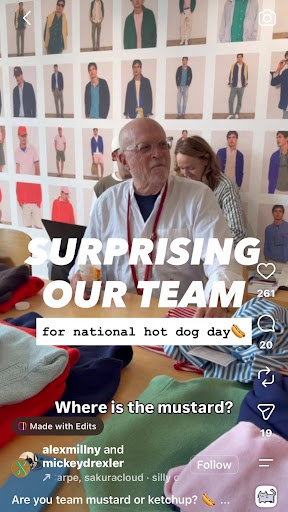
Alex Mill is a great example of why brand authenticity is important. The brand regularly features its founders and employees on social media, giving followers a look inside the company alongside the products themselves. Its National Hot Dog Day Reel is a good example. It’s part of why we like introducing our own Optimists whenever we can, since personality-driven content tends to build more trust than a polished ad, a point backed up in research on influencer marketing and consumer trust.
That doesn’t mean every founder needs to become an influencer. Introducing employees or showing a normal day at the office works just as well, and those posts are often the ones people remember.
Posting Fills a Calendar. Connecting Builds a Community.
If you’re still wondering why brand authenticity is important, it comes down to this: authentic brands don’t just post, they connect.
Building a community, putting real faces in front of your business, and leaving room for timely content give people a reason to keep engaging. None of it requires a bigger budget, just a different mindset.
Before you publish your next post, ask yourself:
- Am I inviting conversation or just sharing information?
- Does this make the brand feel more human?
- Does this feel timely and relevant?
- Would I stop scrolling if I saw this from another brand?
That’s the difference between posting and connecting. Posting fills a content calendar. Connecting gives people a reason to come back.
The next time you’re planning content, don’t just ask what you should post. Ask how you can create something people actually want to engage with. That question separates content people scroll past from a brand people remember. For more strategy tips, check out our blog.
Posting vs. Connecting, at a Glance
| Behavior | Posting Only | Posting + Connecting |
| Content focus | Product photos and announcements | Product stories plus behind-the-scenes moments |
| Audience response | Comments and DMs often go unanswered | Comments and messages get real replies |
| Timing | Fixed content calendar, no exceptions | Room for timely, unplanned posts |
| Long-term result | Followers, but shallow engagement | Community members and repeat customers |
Frequently Asked Questions
Does brand authenticity actually affect sales?
Yes. Edelman’s 2025 Trust Barometer found that 73% of people trust a brand more when it reflects today’s culture, and trust drives repeat purchases.
Can a small brand build authenticity without a big marketing budget?
Yes. Replying to comments, introducing team members, and sharing behind-the-scenes moments cost mostly time, and often build more trust than a polished ad.
What’s the difference between being authentic and being unprofessional on social media?
Authenticity means showing real people and values behind the brand. It doesn’t mean dropping professionalism, just adding a human voice to it.
Should every comment get a personal reply?
Not necessarily. Comments and messages that ask real questions or show genuine excitement deserve a response. Ignoring them consistently makes a brand feel like a billboard, not a conversation.