
These days, brands and agencies are starting to notice that being present on a channel doesn’t always mean being seen there. The way people discover brands is changing. That’s why our approach to content distribution needs to change as well.
Marketing agencies need to think about where their clients’ audiences are, how they discover content, and how they can make their businesses visible in those places. In this guide, we’ll explain how to approach content promotion strategically and how to strengthen your brand visibility across different channels.
How Is Brand Visibility Changing?
Brand visibility is facing several changes. First of all, the discovery journey is much more complex right now. Buyers might find your brand through AI. Then, they might check it through Google. After that, they might see it on social media or in blog posts. Later, they might come across it somewhere else.
This is a good indirect distribution example, where someone discovers your business through a channel you don’t control. That’s why multi-channel marketing has become much more important in today’s landscape.
Of course, managing all channels at once can take a lot of time. But you don’t need to put everything on yourself and your in-house team. You can get social media tools, work with companies that run email campaigns, or use guest blog posting services to distribute your content to other websites.
Another big shift is the growing importance of personalization. For example, Google now uses AI Overviews and AI Mode to understand complex and very specific queries from users. They provide more direct and personalized answers, which many people are getting used to. In fact, 74% of shoppers choose AI for product discovery.
On top of this, algorithms and platforms change as well. And this makes online visibility even more complex. Because of AI search and zero-click searches, for instance, you can rank well but still get almost no traffic. At the same time, social media platforms are becoming more like “recommendation engines” than simple follower feeds. So you can have a big audience, but your content might not always reach it.
That’s why it has become so important to appear across channels with messages that feel personalized. For this, you have to understand how each platform works, what’s going on in your niches, and how to create content that matches the right people.
What Strategic Content Distribution for Brand Visibility Looks Like Now
Managing multiple channels at once isn’t easy. That’s why content distribution needs to be more strategic. It’s not enough to publish content and hope that people will find it. Think about where your audience spends time, how they consume content, and how you can reach them across different channels.
Here are some of the best tactics marketing agencies and the companies they serve can use to strengthen brand visibility strategy through online content distribution.
1. Create Content for Your Brand, Not Just Views
You can get great views by constantly jumping on trends that have nothing to do with your brand or product/service. But it won’t necessarily improve your visibility.
The views are great. But they don’t mean much if people don’t remember your brand or understand what you actually offer. That’s why it’s important to tell a consistent story about your brand and create content around it. This can not only build credibility, but also help you improve AI brand visibility.
Your content should always have some connection to your brand. Even when you use a trend, think about how you can adapt it to your niche and your story. That can help you get not just random views, but views from the right audience.
2. Understand the Essence and Rules of Each Platform
Content repurposing isn’t just about resizing an image or writing shorter or longer. Each platform has a different set of conventions and expectations, and it’s important to understand them before reposting anything.
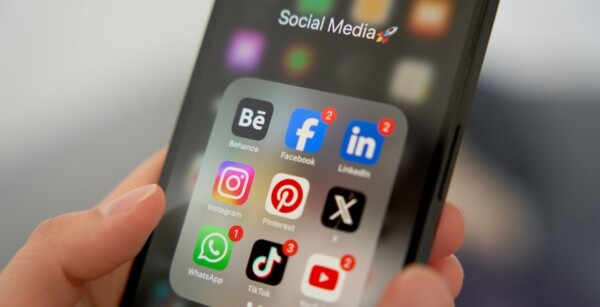
To start with, people use different platforms for different reasons. The formats can also vary. And so can the way people consume content. For example, what works on Instagram might not work on LinkedIn. And the same applies to other channels.
That’s why you can’t just copy the same content and publish it everywhere. You need to understand and follow the rules of each platform. Here’s a general breakdown to help get you started:
- TikTok: Short, entertaining videos with an immediate hook.
- Instagram: Visual, engaging, and easy-to-consume content.
- LinkedIn: Educational, professional, and industry-focused content.
- YouTube: Longer-form videos with storytelling.
- X (Twitter): Short and opinion-driven content.
These are just general rules for these platforms. But it’s always better to check and analyze your specific niche on each channel. What are other brands publishing? What formats are they using? What type of content gets the most likes, comments, and shares?
This can help you understand the exact rules not only for the platform itself, but also for your specific industry.
3. Create Shareable Content to Support Further Distribution
A strong multi-channel presence is the foundation of your strategy. But you can strengthen it even further with shareable content. This way, your posts can reach people who have never heard about your brand before.
The first question that needs to be answered is: when do people share content? In most cases, they do it because the content makes them feel something. For example, it can be:
- A relatable video they want to send to someone.
- Useful information they think others might need.
- A new trend or event they want to talk about.
- A solution to a problem that someone else was trying to solve.
People are also more likely to share posts that reflect their identity or values. So, when creating something new, make sure people not only like your content, but also want to pass it on.
And, of course, when it comes to your own channels, make content sharing easy from a technical perspective, too. Unless the process is frictionless, people will simply move on rather than waste time trying to figure out how to share a post.
4. Find Existing Conversations that Fit Your Brand
You don’t always have to create topics from scratch. You can find discussions and posts that are already relevant to your niche. Then, join those conversations.
This can be a viral post on social media, a Reddit thread, or a YouTube video. If your audience is already there, you can improve your visibility simply by showing up with something helpful, interesting, or fun.
Reddit can be especially useful for this. People are constantly looking for human opinions, real stories, and personal experiences. That creates a great opportunity to join relevant conversations and connect with the audience.
But the key is not to introduce unwelcome promotion of your brand. Focus on being helpful and authentic. Only mention your business naturally when it can actually add value to the conversation.
5. Work on Distribution Channels You Own Too
When algorithms change on different platforms, controlling your audience can be difficult. But when you own the channel, you have much more control over how you reach people. These channels can include a mailing list, website, newsletter, your own community, and so on.
For example, when someone subscribes to your newsletter, you have a direct way to reach them. You don’t need an algorithm to decide whether they should see your next post. And when you can communicate with your audiences directly, you also build a stronger relationship with them.
This connection is one of the most important parts here. Consumers decide whether to open your email or visit your website based on what they know about your brand. They also consider whether your business can offer them something valuable.
Another advantage is that you can collect and analyze your own first-party data. You can see what your audience clicks on and which content they engage with, for instance. You can also check what they ignore or never open.
Of course, this doesn’t mean you should stop using social media and other platforms. Multi-channel marketing is still important. But try to use these channels for more than just reaching people. Use them to encourage users to move to channels that you own when feasible.
6. Partner with Others to Get More Visibility
Another way to improve your content distribution strategy is by working with other relevant businesses or creators. There are many ways to do this. If you run a podcast, you can create short clips or social posts with your guests. If your product integrates with another tool, you can exchange content or create a joint guide.
Besides business collaborations, you can also try influencer marketing. Creators can bring new opportunities and increase your brand visibility among new audiences.
The key here is to find the right partners. A creator doesn’t need millions of followers, and a brand doesn’t need to be mentioned in Forbes to be valuable. But they also shouldn’t be a random blogger or a business with poor credibility.
Look for companies and influencers in your niche whose audience could potentially be interested in your brand. And always check if their platforms are trustworthy before reaching out.
7. Give Other People a Reason to Talk About Your Brand
Many agencies don’t treat digital PR as a real distribution channel. But it can be a powerful way to get your brand in front of new audiences. To do this, you need to create something that people want to talk about. It should be newsworthy content that can attract the attention of journalists and media outlets.
This could be original research based on real data, a unique campaign, or an interesting story. Essentially, it can be anything that brings real value and freshness to your niche.
Digital PR can also help build a stronger brand authority and brand awareness. When relevant sources talk about your brand, they provide additional trust signals about your business. Besides that, if those mentions include links, they can contribute to a more diverse backlink profile.
AI brand visibility is another reason to pay attention to third-party sources and brand mentions. Having your organization mentioned on relevant and trustworthy websites can give AI systems more reasons to cite and recommend your brand.
Measure Visibility in Addition to Content Performance
If your content performs well, but your branded searches, share of voice, and other brand visibility metrics don’t increase, your content strategy might need to change. Getting views, clicks, and engagement is useful. But it’s also important to go deeper into your metrics to understand where the problem comes from.
Usually, you need to look for patterns at different stages. That’s why it’s important to measure visibility separately. Look at how often people search for your brand, how visible you are compared with competitors, and how often your business appears in conversations across different platforms.
Here are some of the metrics you can track:
- Share of search: Shows how much of the branded search demand in your category goes to your brand.
- Share of voice: Helps you understand how visible your brand is compared with competitors.
- Social mentions: Shows how often people are talking about your brand across social media and other platforms.
- AI visibility: Shows how often your brand appears in AI-generated answers. This can include metrics such as brand mentions, citations, and share of voice.
Even though you should measure these metrics separately and look for patterns, you should still monitor the bigger picture as well. Checking it all together can help you understand what is happening with your overall brand visibility strategy.
We know that’s a lot to cover. So if content distribution feels overwhelming, you can always book a free call with Online Optimism. This way, you can get a tailored multi-channel strategy that reaches your target audience across all the right platforms.
FAQ
What is brand visibility?
Brand visibility is how people can discover and recognize your brand. It includes places like search engines, social media, third-party websites, AI tools, and so on.
How can my content distribution strategy improve brand visibility?
Content distribution helps you show your content in more places. Today, consumers can jump between different channels throughout their journey. By distributing your content, you give your audience more opportunities to discover your brand.
What are the main content distribution channels?
The main channels include search engines, AI engines, social media, email, websites, online communities, and third-party publications. You can also use partnerships and paid advertising to reach new audiences.
How can brands improve AI search brand visibility?
When other brands and third-party sources consistently mention your brand in a similar context, your chances of being cited by AI can increase.